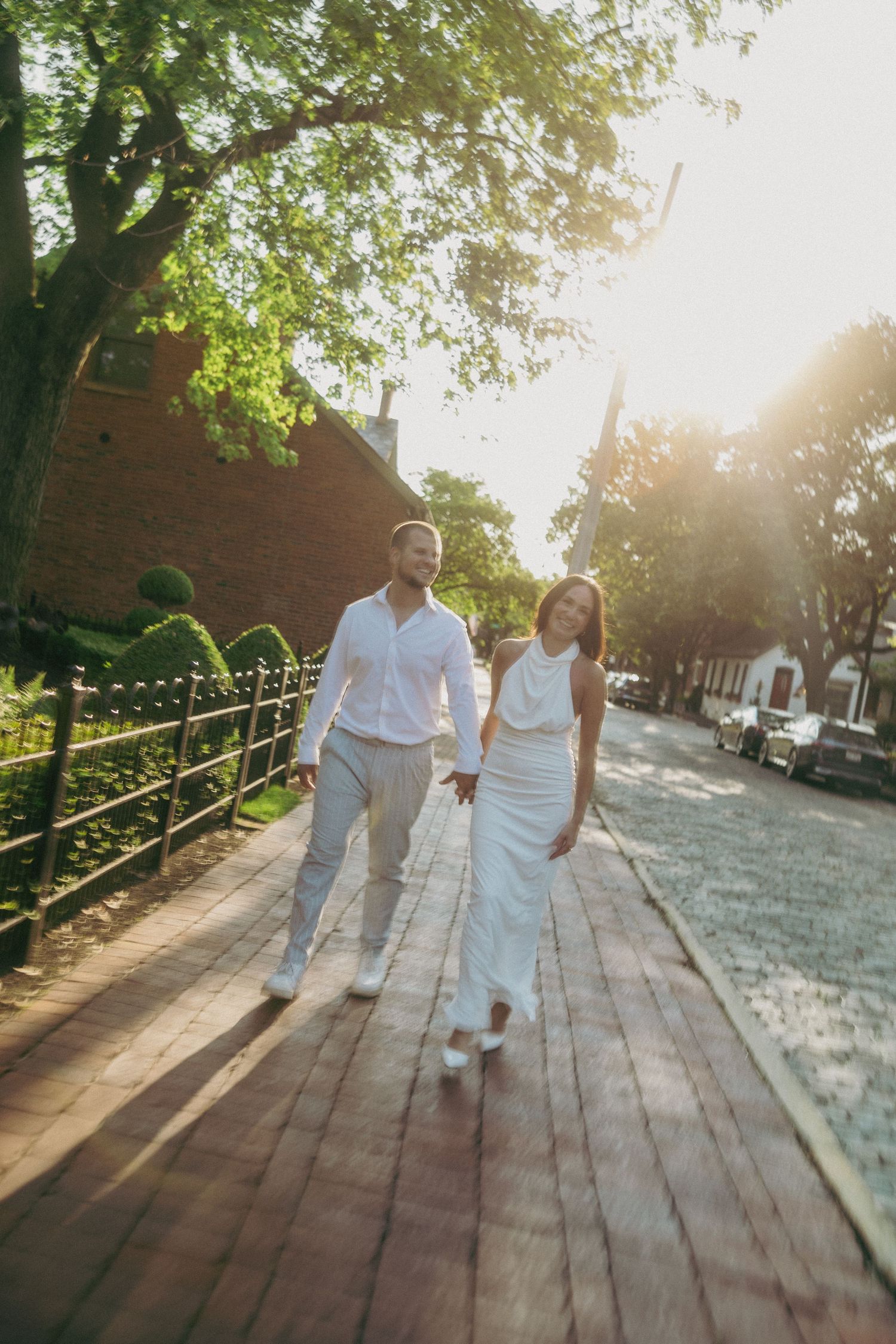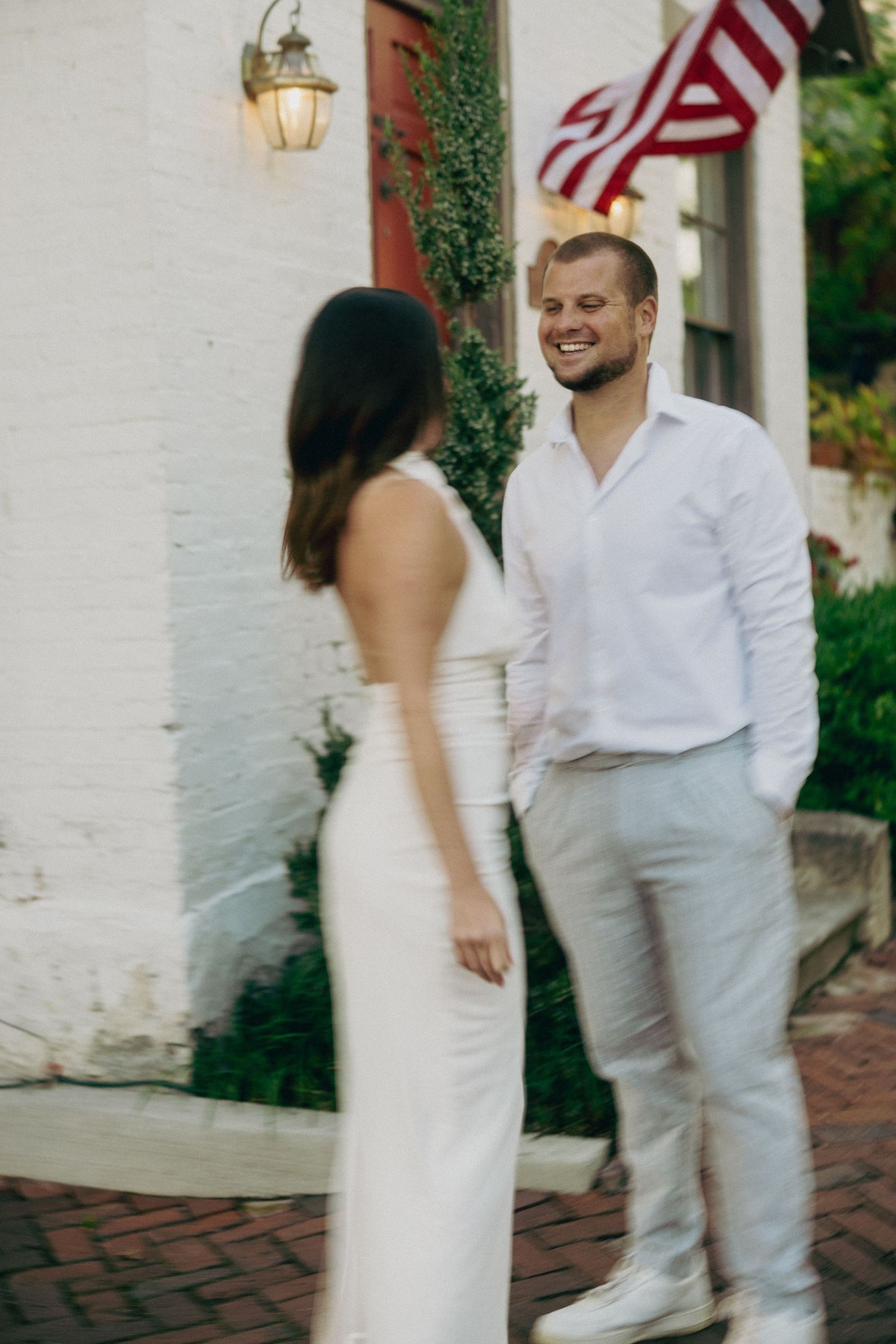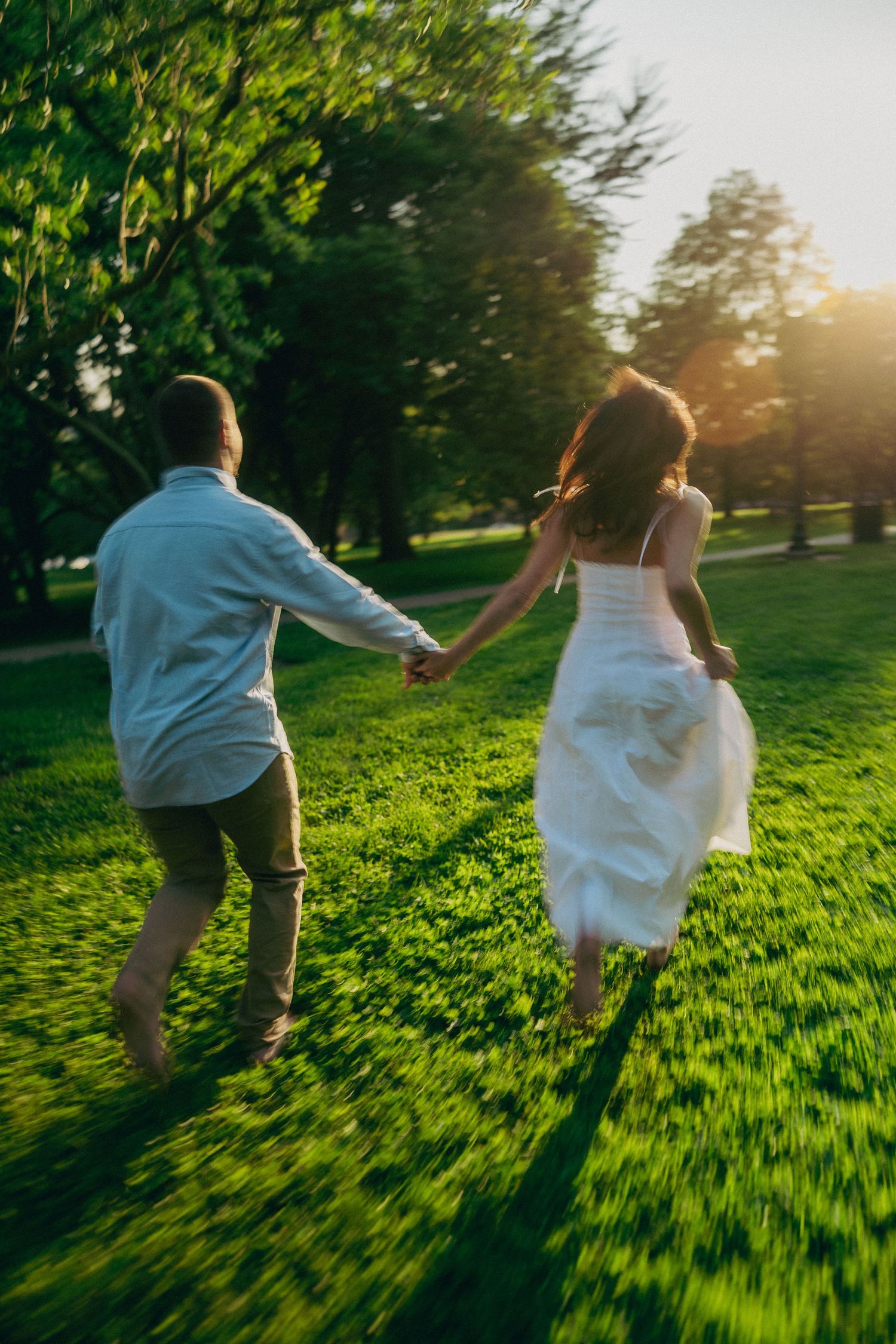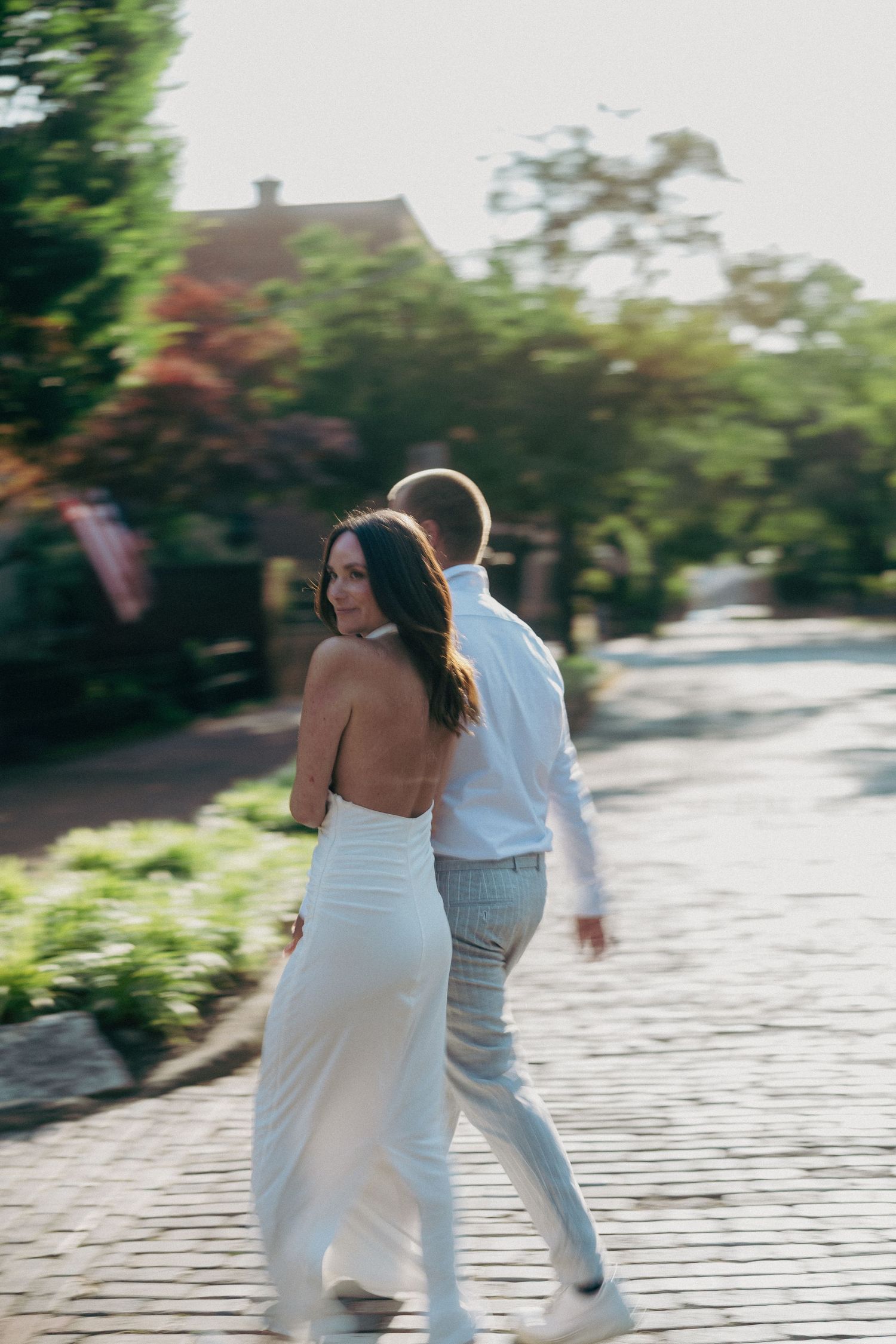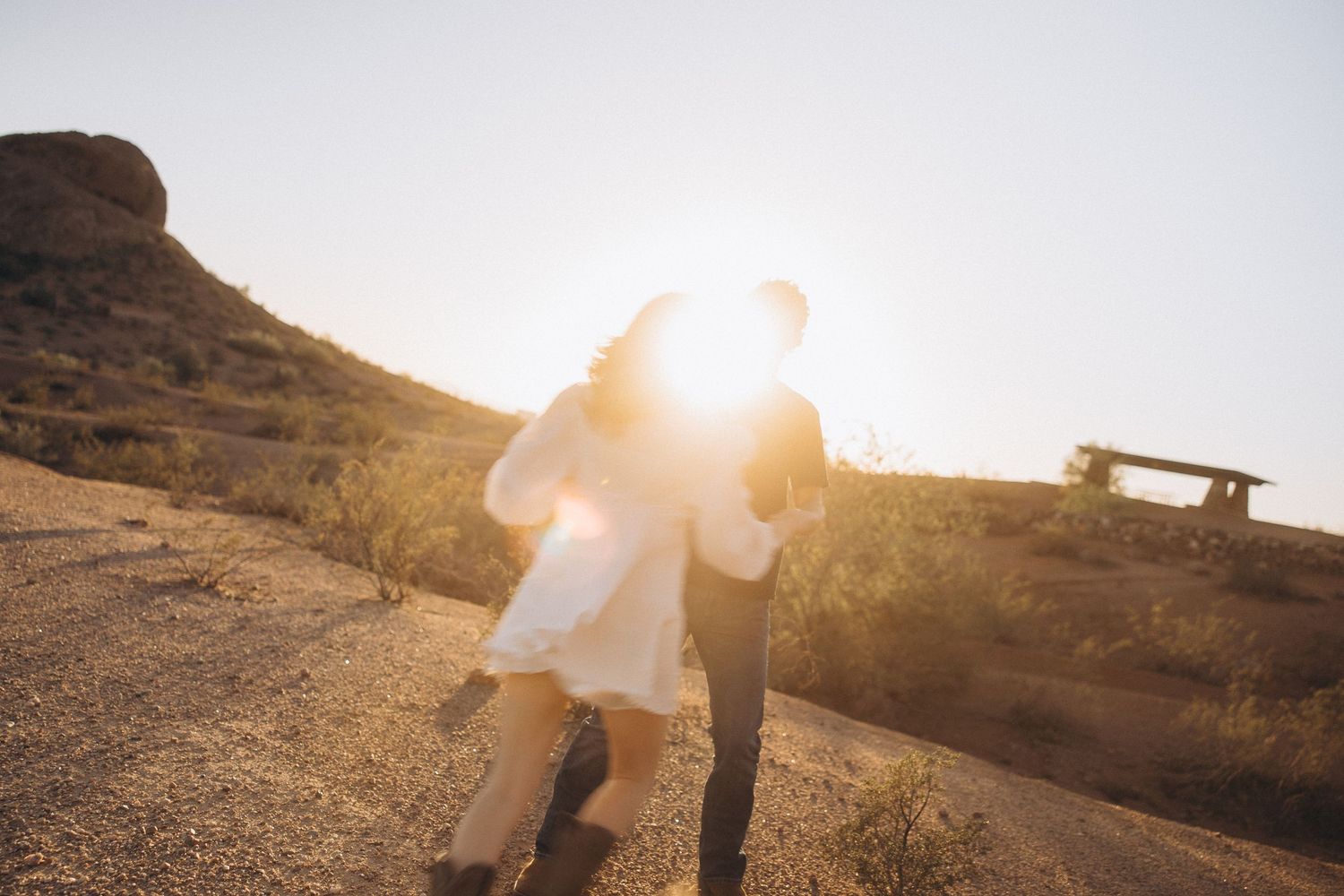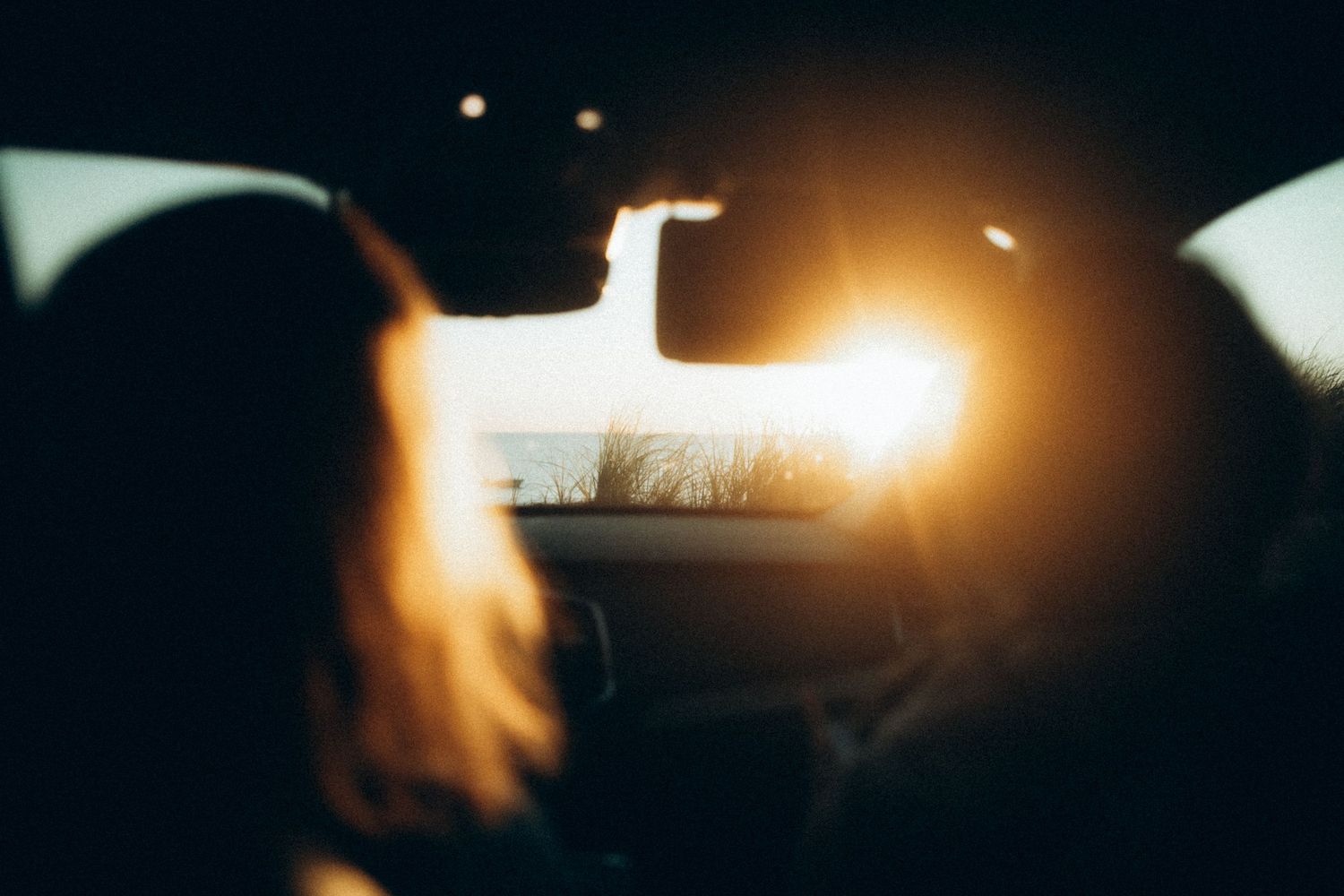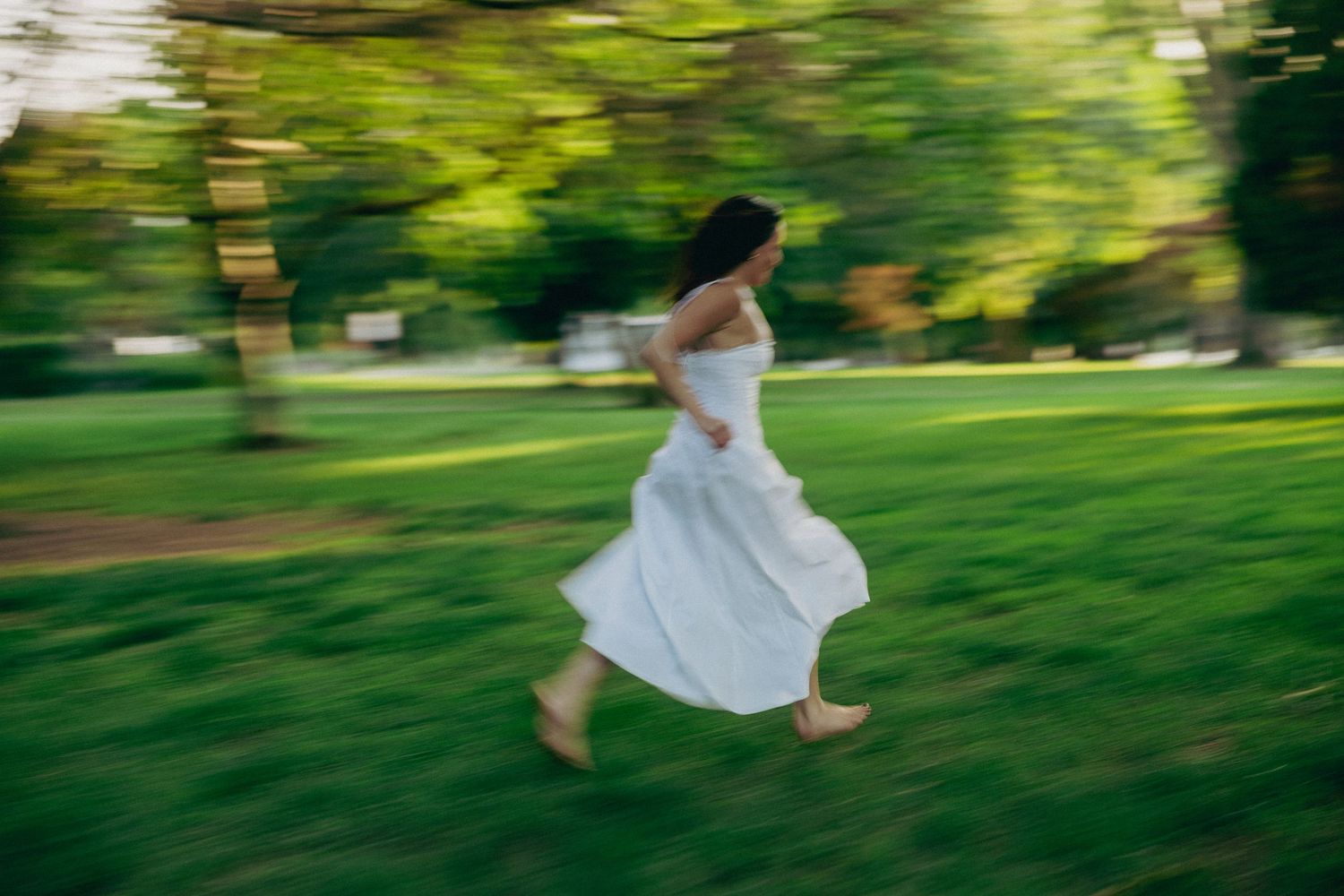
It started with an accident, one that ended up shaping nearly half of the photos I now take. If you’ve ever looked at a photo and felt like you were inside the moment, chances are motion blur played a part. Motion blur is one of those subtle but powerful tools that can transform a simple image into something cinematic, dreamy, and alive.
Motion blur happens when the camera captures movement while the shutter is open. The key factor is shutter speed. The slower your shutter, the more motion is recorded in a single frame. For couples or weddings, I often start between 1/40 or 1/80 for walking or dancing shots. For faster movement, like twirling or running, a slightly higher shutter speed works best. The magic happens when the couple moves naturally and you combine that motion with a focus point, like their hands, faces, or an important detail. Stabilizing the camera helps ensure that the blur is intentional and not accidental. Keeping a wide aperture and using a mist filter will give you that dreamy, cinematic feel, creating a contrast between sharp focal points and flowing motion around them.
Motion blur feels cinematic because it mirrors the way our eyes perceive life. When something moves quickly, our vision softens and leaves a trace of motion behind. A still photo without this blur can feel frozen, but a subtle blur brings it to life. It adds energy and movement, making dancing, walking, or even small gestures feel like part of a story unfolding rather than a single captured moment. It can also guide the viewer’s eye, highlighting the key subject while keeping the surrounding scene soft and atmospheric. Motion blur enhances emotion and mood, especially when paired with warm tones, mist filters, or golden-hour light, turning ordinary movements into something that feels both intimate and intentional.